What Palestinians endure in Gaza amid Israel’s continued demolition and siege
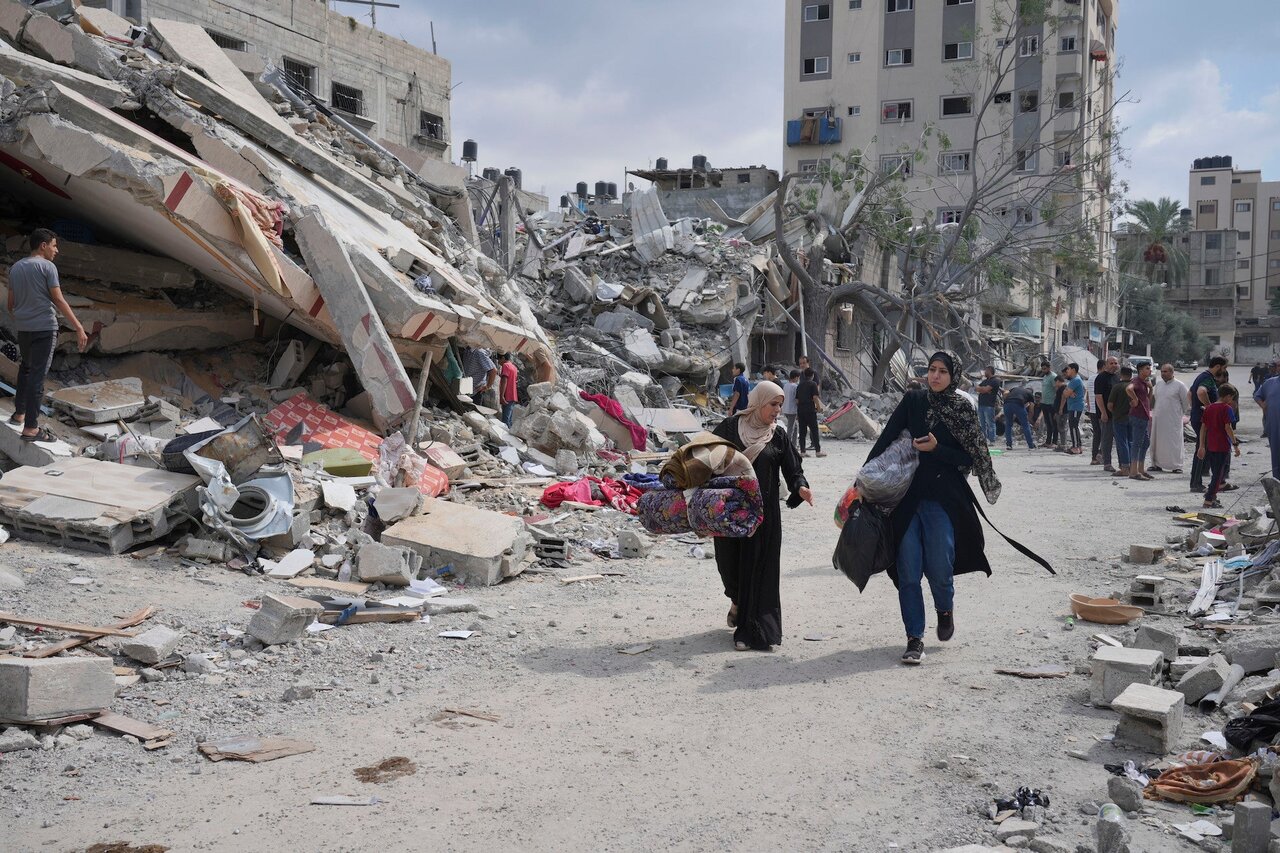
TEHRAN — Palestinians in Gaza are hoping for real changes that could ease their suffering and help them survive the harsh reality they face.
Since the United States announced the second phase of the ceasefire agreement, most residents of the Gaza Strip have been gripped by doubt and uncertainty.
For a population that has endured more than two years of genocide, fear and anxiety dominate the mood, especially given the Israeli regime’s ongoing aggression.
At the same time, Israeli regime forces continue the systematic destruction of what remains of homes behind the so-called “yellow line.” The regime has even pushed this line westward once again, this time in the northern part of the Strip, after having done so previously in Khan Younis and Gaza City.
Although more than three months have passed since the truce was signed, Palestinians have seen few of the changes they had been eagerly awaiting. Many had hoped that at least some of these promises would materialize once the genocidal war eased and the first phase of the truce began.
Instead, the occupying regime has continued to exploit the truce to achieve goals it failed to secure during the genocide.
The Zionist regime has imposed full control over more than half of the Strip, forcing more than 2.25 million people to live in an area no larger than 160 square kilometers.
This overcrowded space lacks the most basic services and is on the verge of becoming a massive open-air concentration camp, where Palestinians are confined under heinous conditions.
Palestinians are yearning for real change across several key factors that directly affect every aspect of their lives.
First and foremost is an end to all forms of aggression carried out by the Zionist regime. Gaza’s health ministry stated on Saturday that 481 Palestinians have been killed since the truce in October took effect, 1,313 others have been injured and 713 bodies recovered from the rubble.
Alongside the killings, Palestinians also demand an end to the demolition of what remains of homes east of the yellow line. Since the truce, thousands of houses have been razed in these areas, in addition to many more destroyed by airstrikes deep inside the Strip.
The second major issue is the withdrawal of the regime’s forces from areas they still occupy in the north, east, and south of Gaza, areas that fall within the so-called “yellow zone,” which accounts for about 56% of the Strip.
A third matter eagerly awaited by Palestinians is reconstruction and compensation. The destruction inflicted on homes, facilities, and infrastructure during the genocide exceeds 80%, turning Gaza, or what remains of it, into an uninhabitable wasteland. There are virtually no livable homes.
Reopening the Rafah crossing is seen as a critical fourth measure. Its continued closure is increasing the humanitarian crisis, blocking medicine and the main channel for food and humanitarian aid.
Instead, aid remains tightly controlled through the Israeli regime’s “Kerem Shalom” crossing, where hundreds of essential items are banned and aid deliveries are reduced to a fraction of what the truce stipulated. This has led to ongoing starvation, which the regime uses as a weapon.
Another major concern is the temporary technocratic committee formed to manage Gaza’s affairs. Many Palestinians hope it will lead to real relief efforts, assess the damage, distribute compensation, and initiate reconstruction, provided it is granted genuine authority.
While uncertainty and skepticism dominate expectations for the coming period, especially as the occupation regime repeatedly disregards ceasefire commitments, Palestinians remain resolute. Despite immense losses and sacrifices, they insist on continuing their struggle and rebuilding their lives.
Leave a Comment